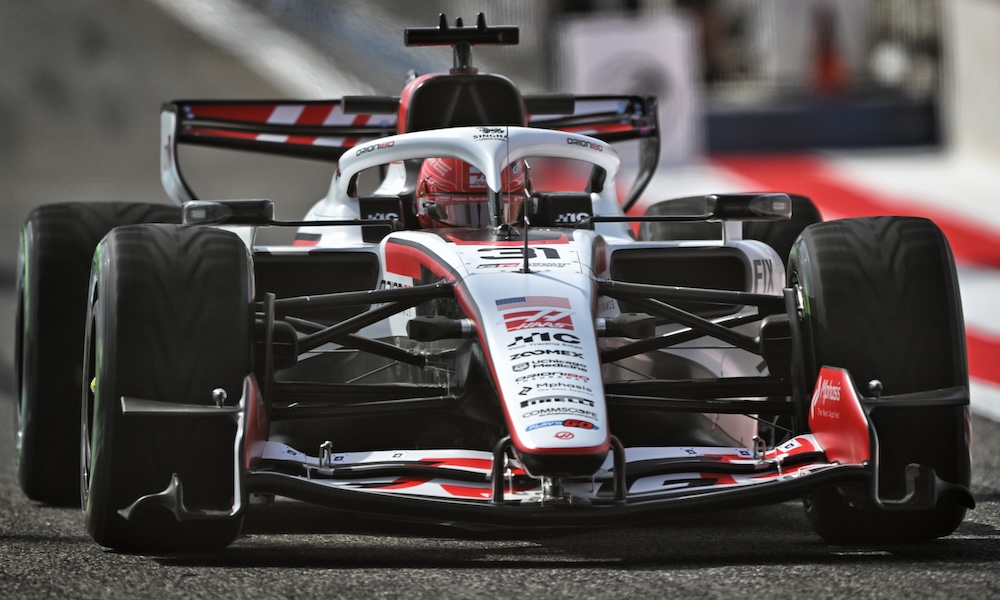
Formula 1’s highly anticipated new technical regulations are finally here, and with it the prospect of a clean slate for the teams.
Those that fared worse than others in the last rule cycle from 2022 to 2025 can look forward to a fresh opportunity to nail their designs from the outset.
One such team is Haas, which is now a decade into its F1 journey, having been the most recent startup operation until Cadillac’s debut this year.
The American-owned squad finished eighth, tenth, seventh and eighth in the four seasons of the previous generation of cars and encountered quite a few bumps along the way.
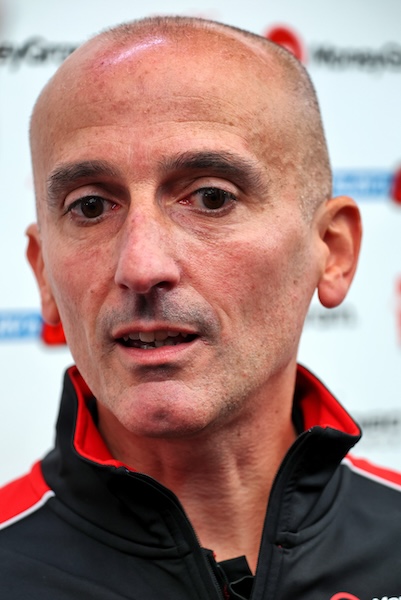
However, in an exclusive interview with Racecar Engineering, technical director Andrea De Zordo reckons Haas has learned from some harsh lessons during that time to put itself in better stead for 2026 and beyond.
‘Painful exercise’
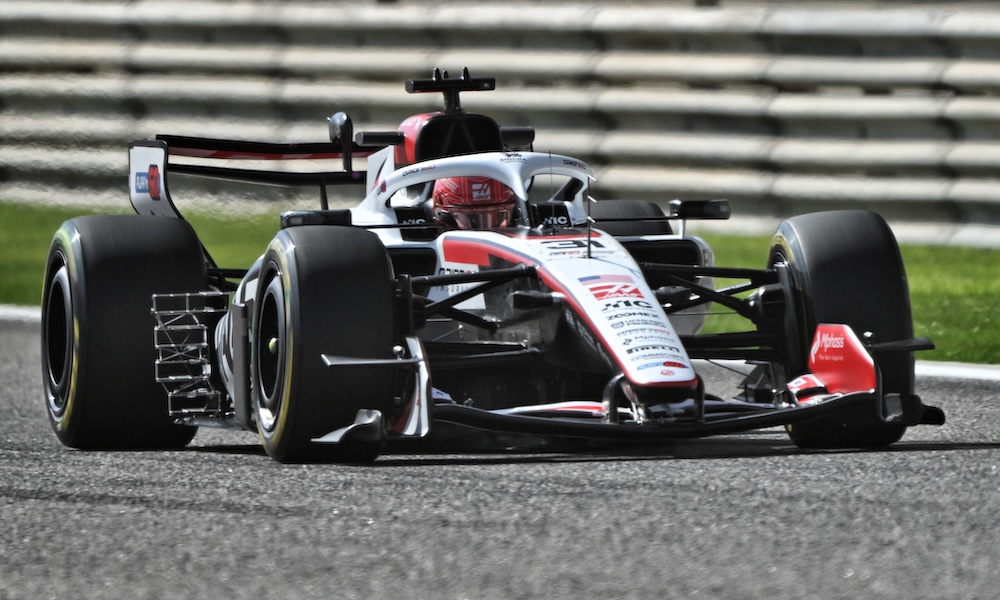
Haas is keen to avoid a situation it found itself in during the first half of the previous rule set, which was marked by cars that generated most of their downforce underneath the floor.
The team realised fairly quickly, during the 2022 season, that although its initial design was the best it could have been for that moment, it lacked the potential to improve and ultimately keep pace with the others.
‘I hope we will learn from that for the next regulation and try to push for what we think [brings] more performance,’ says De Zordo.
As the 2022 season turned into 2023, Haas devoted a large chunk of its resources to reassessing its direction with the aero concept.
This included trying to find out what its rivals were doing, such as Red Bull whose carved underfloor channels were exposed to the world after a crash at Monaco, spelling out to other teams how far behind they were in understanding their ground effect structures.
‘Red Bull went to the first test already with a very stiff floor, so they understood from the beginning that this was a requirement,’ says De Zordo. ‘I think all the teams struggled with that.
‘I remember at the first test we had some reinforcements in the floor, some mechanics staying up during the night to increase the stiffness of it.
‘The second part is how you let the different parts of the floor work. At the time, we pursued a philosophy that worked the front part of the floor, but didn’t let the rear part work in the same way.
‘I think it worked at the time, but with more problems and less potential. After that, we tried to have a better flow to the front, letting the rear work in a nicer way.
‘It was better for maximum performance and characteristics.’
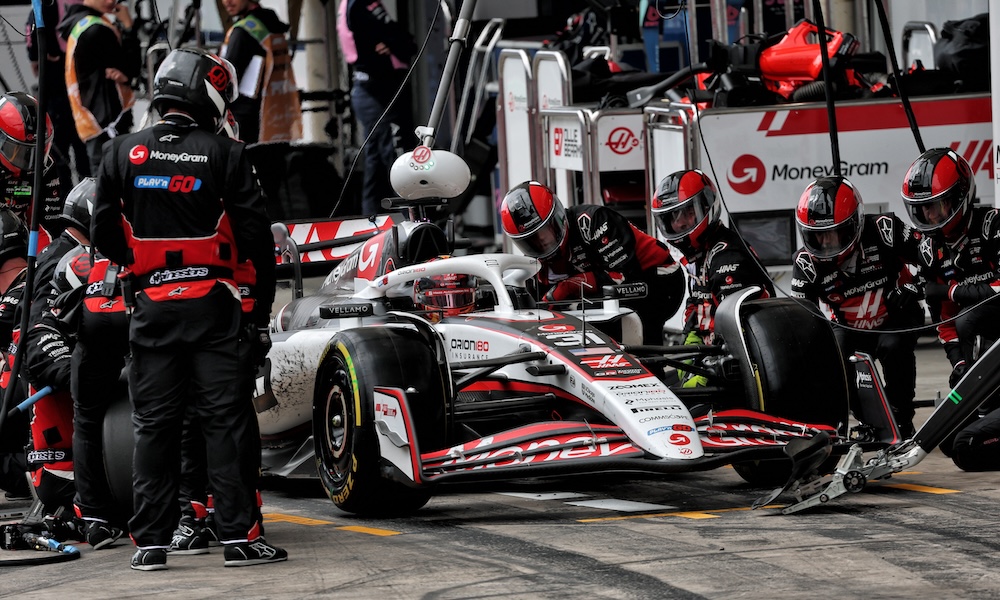
De Zordo describes the change in design philosophy as a ‘painful exercise’ because it required accepting that a step down in performance was required during the 2023 season as the new parts were developed.
However, that proved to be necessary action for Haas to end the 2022-2025 effect regulations on a high.
It also hopes that its learnings from that experience will mean that it doesn’t have a repeat with the 2026 generation of car, even if the aero philosophy has shifted away from ground effect floors.
‘We changed direction and it took a while to recover,’ explains De Zordo.
‘It’s a shame now it [the rule cycle] has ended because I think we have found a good understanding of it.
‘In the last couple of updates we put in the car, it was quite good and represented well what we expected.’
Two-fold change
The 2026 cars have been developed according to revamped power unit and chassis requirements.
When the previous rule set arrived in 2022, most of the changes were concentrated on the chassis side. However, this year, there have also been major changes to the hybrid aspect of the power units, which is now significantly more powerful.
This two-fold adjustment, and the associated timescales, made the transition from 2025 to 2026 ‘more complicated’ than the switch from 2021 to 2022, according to De Zordo.
‘Due to the COVID period, we had one year more to prepare for 2022, and a lot more things are changing now,’ he says.
‘From that experience, we learned a few things. One is to try to target what is the best performing solution, and not what is the best at that moment.
‘Leaving the wind tunnel [with] something that is maybe a little bit down, but we are confident that it will be better soon and can be worked on. This is something we are trying to do.’
The Haas team has undergone several personnel changes in recent years, not least the departure of original team principal Guenther Steiner ahead of the 2024 season.
His replacement, Ayao Komatsu, was previously the team’s director of engineering, and instilled a technical-first approach to the team’s operations.
As part of the reshuffle, De Zordo was promoted from chief designer to technical director.
New race engineers were brought in as part of wholesale changes to the pit wall side of the operation.
‘In the last five years – the last two in particular – there have been a lot of changes in the team [with] a lot of people in different positions,’ confirms De Zordo.
‘Step by step, we are understanding better how to learn the car and how to understand what direction to go in.
‘I’m sure there will be plenty of situations in 2026 where we have to quickly react to something that we didn’t think of, or something we discover running the car.’
Update capabilities
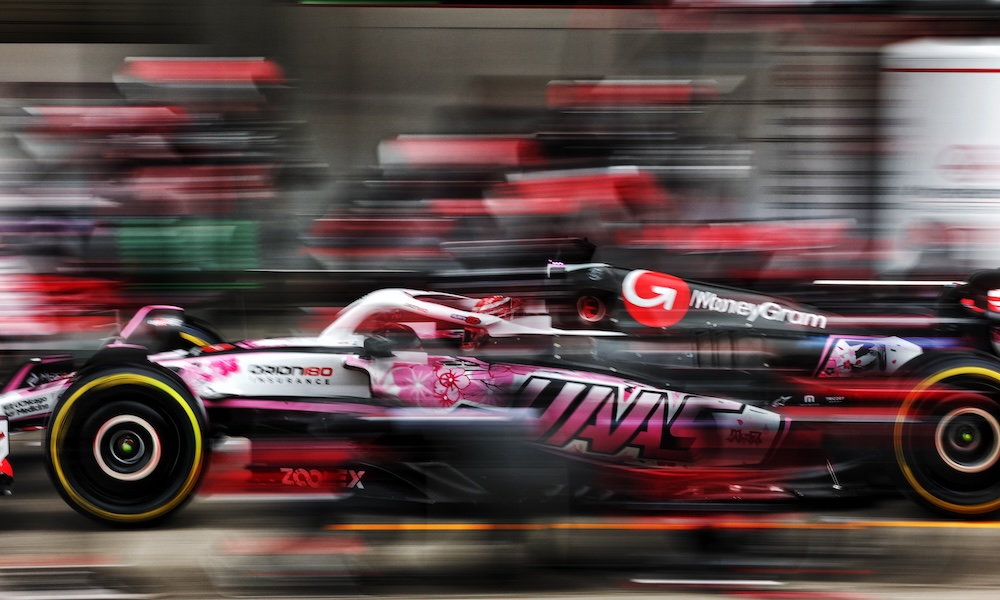
Being able to deliver updates quickly is the priority of any F1 team’s factory during a season.
Doing so not only enables the car to get faster but allows the team to find solutions to unwanted characteristics sooner.
Haas has sought to improve in this area in recent years; it then gave itself an extreme case of demonstrating its improvement in early 2025.
At the season-opening Australian Grand Prix, the VF-25 suffered unexpected oscillations through certain high-speed corners around the Albert Park circuit, causing it to be much slower than its competitors.
The team, surprised by this revelation, rapidly produced some floor modifications in time for the Japanese GP only three weeks later, without testing them in CFD or the wind tunnel. The update worked, backed up by subsequent aero test findings.
‘It’s something that we put a lot of effort [into] over the last years,’ says De Zordo of Haas’ update capabilities.
‘We worked a lot on correlation between CFD, wind tunnel and trackside. Especially in CFD, we have improved our tools a lot.
‘Three or four years ago, we were quite behind our competitors. We have done a lot of steps and are [now] in a lot more reasonable condition.
‘We improved our correlation a lot year by year. But at the same time, maybe because we are a smaller team, we keep capacity of trying to react as quickly as possible, even sometimes making some shortcuts.’
De Zordo feels the last two years of the ground effect rule cycle were the best for the team, as it found more of its intended upgrades were having that effect.
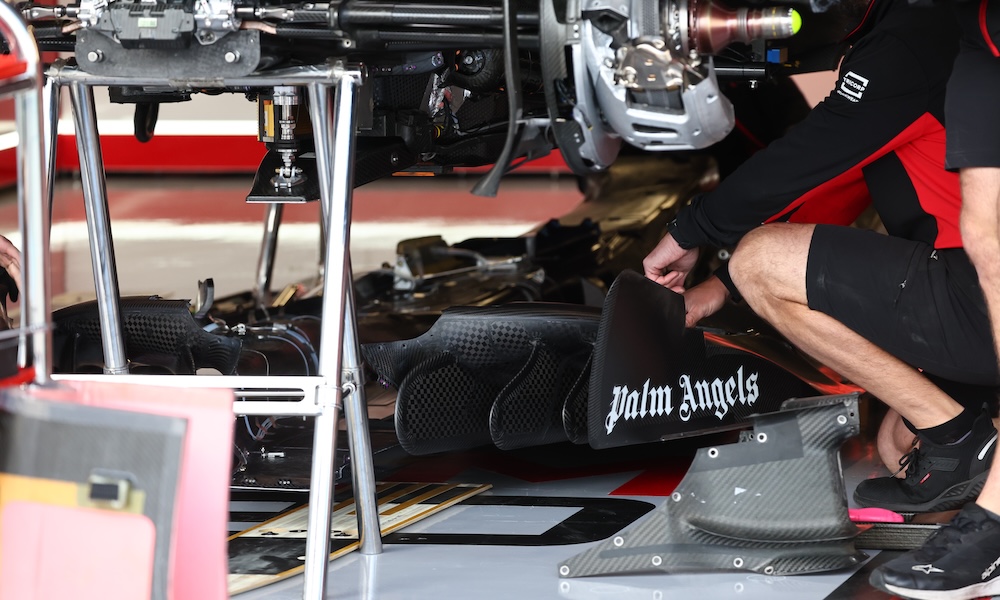
‘I’m also very happy that the quality of the car itself has improved a lot, even in small details,’ De Zordo adds.
‘If we compare the 2022 car with the ’24 or ’25 car, the quality is a lot higher.
‘In just the 2025 season, I think we have done some good things in terms of development.
‘We had some reliability issues in winter testing that we could have avoided. There were probably some choices about some aero characteristics that were not completely spot on. We suffered a bit in top speed compared to previous years.
‘During the race, this is a problem, because it’s a deficit the drivers feel. It stops you from gaining positions. There are another couple of things like that.
‘But, in a normal competition, they are details that you don’t see a difference [from].
‘In a championship like [2025], where we scored more points than last year and finished one position down, they make the difference and it is quite disappointing.
‘Im sure making these tiny details a little bit better from the beginning [of 2026] will help the race team manage the races better and get more opportunities in terms of points.’
Toyota input
Although it is American-owned, Haas has design offices in Italy and a race operations facility in the UK.
It is continuing to use Ferrari power units heading into the 2026 rules. The arrangement also includes transmission and rear suspension supply.
However, it has also increased its affiliation with Toyota, which is now a title sponsor and continues to help Haas with testing of previous cars and young driver development.
Furthermore, the partnership has facilitated the installation of its own driver-in-the-loop simulator, which is due to arrive in the summer of 2026.
‘I think it will be a big help,’ reckons De Zordo. ‘One of our disadvantages compared to the others is that we cannot use the simulator as the other teams are doing.
‘I’m sure that to arrive at the race weekend more prepared is worth lap time.
‘I think it will be even more real and valid this year when we have this change in regulation with [high] energy management during the lap.
‘Preparing carefully, with the drivers, to learn how to do each lap with all the management that will be required, will be even more important.
‘And, to have the tools in-house to allow us to test it deeply before the race. I think it will be a big gain for us.’